DVIA-ULF Series
Modular. Low Profile.Total Active Control.
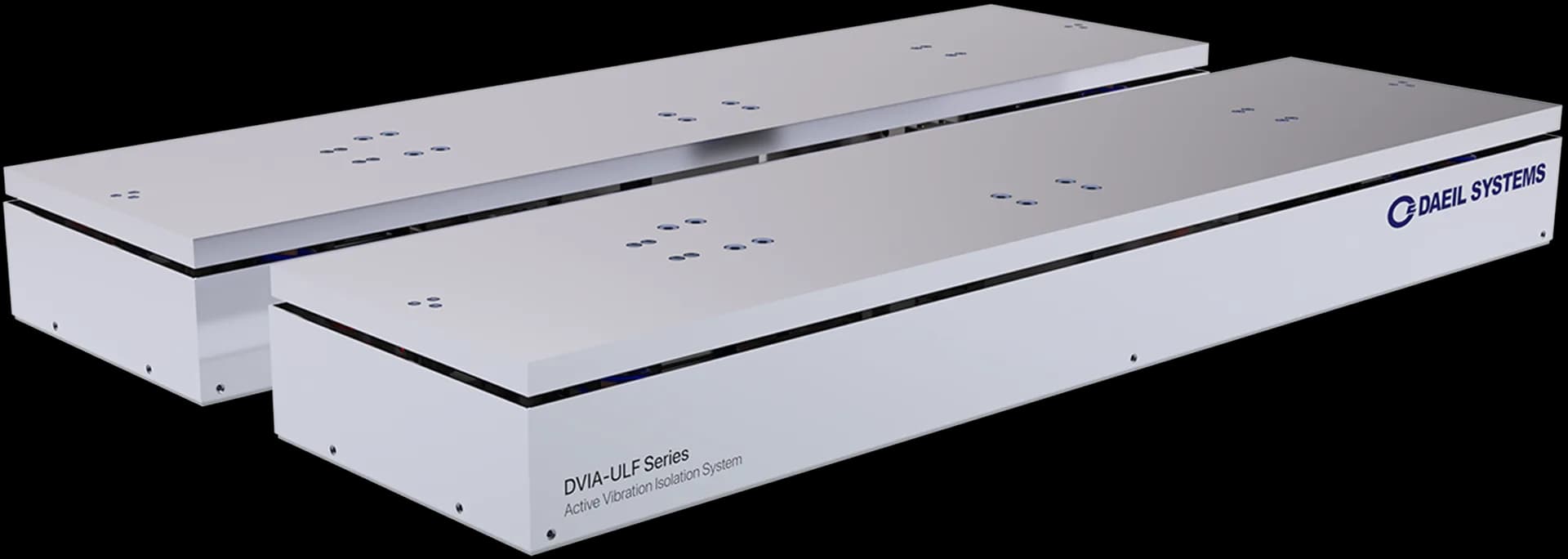
91 mm height. Up to 114 N actuator force.
Slide in from the side. No crane. No air. Just control.
Modular design.
Your microscope decides.
Introducing the DVIA-ULF: a groundbreaking active vibration isolation platform engineered to meet the exacting demands of today's most sensitive instruments—such as electron microscopes and other precision research tools.
Lowest height ever designedMicroscope height remains the same.
The all-new DVIA-ULF isolator height is unbelievably low, slim and light enough to fit under
a microscope's base frame. The DVIA-ULF isolator does not raise the microscope height.
The DVIA-ULF is the lowest active vibration isolator DAEIL SYSTEMS has ever designed.
Lowest height ever designed Microscope height remains the same.
Straightforward Installation.No heavy lifting.
The DVIA-ULF isolators feature a low-profile design, with an overall height of only 91 mm, allowing direct placement under microscope bases. This side-access design eliminates the need for cranes, forklifts, or other rigging equipment during installation. Each isolator is slim enough to fit directly under the microscope's frame, allowing side insertion with minimal clearance.
Straightforward Installation. No heavy lifting.
ULF Installation Video
Loading video...
Custom modular design solutionfor every microscope.
The modular design of the DVIA-ULF allows seamless scalability. Users can effortlessly add units tailored precisely to their microscope's dimensions and weight, from compact research SEMs to large-scale TEMs. Each setup can be individually optimized according to specific weight and geometric requirements. Installation requires no extensive site preparation, making it ideal for modern cleanrooms and space-constrained laboratories. Its streamlined design integrates effortlessly into existing configurations, delivering exceptional vibration isolation even in challenging low-frequency environments.
Custom modular design solution for every microscope.
Engineered for the world's
most sensitive instruments.
The DVIA-ULF supports SEMs, nanoscale imaging tools, and precision
metrology systems across five application domains. Each configuration
is engineered to the specific measurement requirements of the instrument.
Scanning Electron Microscopy
Nanoscale imaging without drift.Floor vibrations blur electron beam images above 50,000× magnification. The DVIA-ULF
slides beneath the base frame at 91 mm and cancels disturbances from 0.5 Hz. No change
to microscope height. No compromise in clarity.
Laser Spectroscopy
Coherent beams. Stable paths.Laser interferometry and alignment systems depend on
sub-micron optical path stability. Low-frequency floor
motion corrupts phase measurement and beam pointing.
The DVIA-ULF holds the optical bench steady in all axes.
Surface Metrology
Profile precision at every scale.3D profilometers and white-light interferometers
resolve sub-nanometer surface features. Imperceptible
floor vibration degrades Z-axis resolution. The DVIA-ULF
removes the noise floor before it reaches the probe.
Atomic Force Microscopy
Picometer contact. Absolute stillness.AFM tip–sample interactions measure forces at the atomic
scale. Any floor disturbance translates directly into measurement
noise. The DVIA-ULF delivers sub-micron translational and
sub-microradian angular stability across the full bandwidth.
X-Ray Metrology
Precision diffraction. Clean peaks.X-ray diffraction, reflectometry, and fluorescence all require
vibration-free sample positioning. Low-frequency vibrations
broaden diffraction peaks and distort thin-film measurements.
The DVIA-ULF restores data integrity.
Absolute vibration control.
The DVIA-ULF delivers up to 114 N of combined actuator force, directly countering floor vibrations in the 1–10 Hz range where precision instruments are most sensitive. Consistent isolation, even on challenging floors like VC-A.The DVIA-ULF delivers up to 114 N of combined actuator force, directly countering floor vibrations in the 1–10 Hz range where precision instruments are most sensitive. Consistent isolation, even on challenging floors like VC-A.
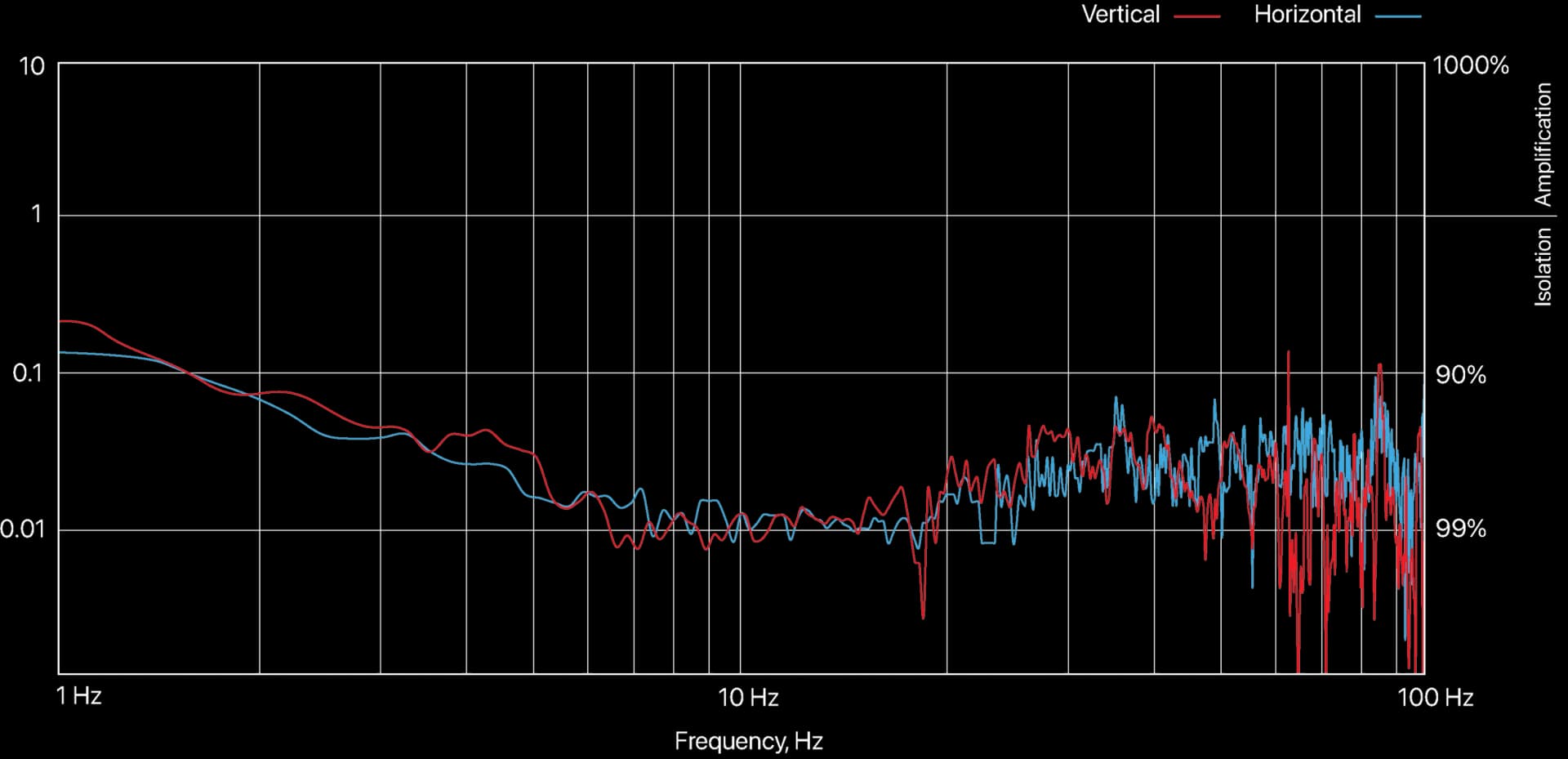
Isolation from 0.5 Hz.
Feedback corrects. Feedforward anticipates.
Feedback measures vibration on the isolated mass and counters it in real time. Feedforward reads the floor and cancels disturbances before they arrive. Together, they deliver exceptional low-frequency isolation. Your instruments operate as if the vibration doesn't exist.
 How it works
Passive Isolation (Spring & Damper):
Without active controls, the spring (k) and damper try to absorb shocks. However, at low frequencies, they can actually amplify the floor disturbance (d), causing the mass to resonate.
Feedforward Control:
Leverages ground sensor data to proactively command the actuators, nullifying floor vibrations before they reach the isolated mass.
Feedback Control:
Continuously measures the isolated mass's residual vibration (y) and uses the actuators to counteract it in real time.
Together, these advanced control mechanisms significantly enhance isolation performance, keeping the mass nearly perfectly still!
System Controls
Toggle to observe how feedback and feedforward mechanisms counteract low-frequency floor vibrations.
Floor Disturbance
Simulate low-frequency vibration
Feedforward Control
Proactive floor sensing
Feedback Control
Reactive mass correction
Every detail. One purpose.
Detection from 0.3 Hz.
A hardware amplifier boosts low-frequency gain.
A digital filter refines the signal. Together, they extend
accurate detection and isolation down to 0.3 Hz.
Responds before you notice.
A floating-point DSP delivering 1800 MFLOPS
processes vibration data in real time.
Response time: 0.5 ms. By the time vibrations reach
your microscope, it's already been cancelled.
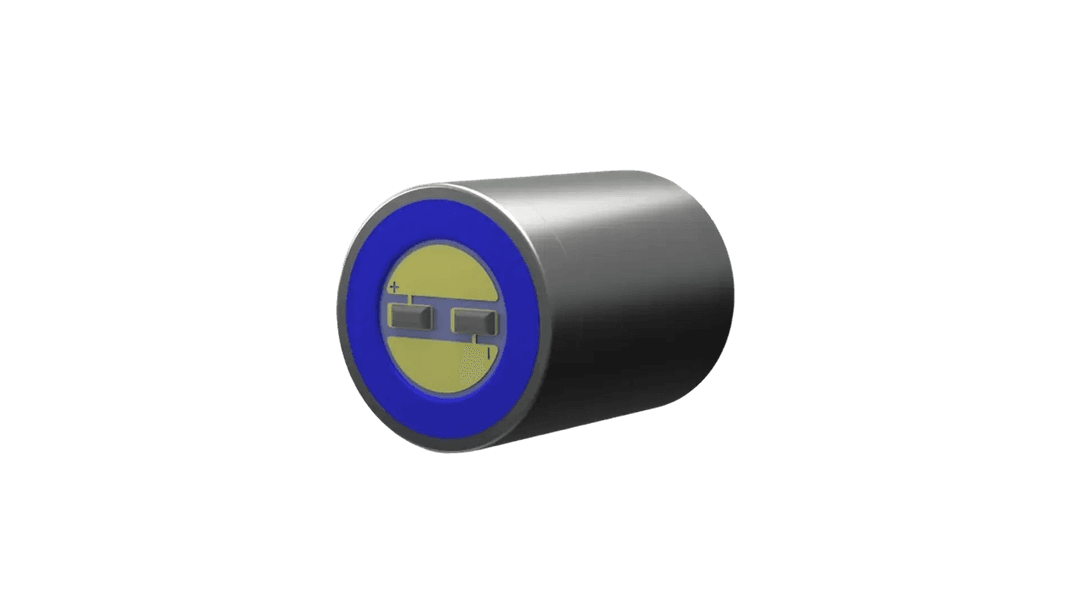
Detects the imperceptible.
11 Geophone velocity sensors with 2.55 V/in/s sensitivity and just 0.15% distortion. They capture low frequency vibrations other systems miss entirely so the DVIA-ULF can cancel what it can't ignore.
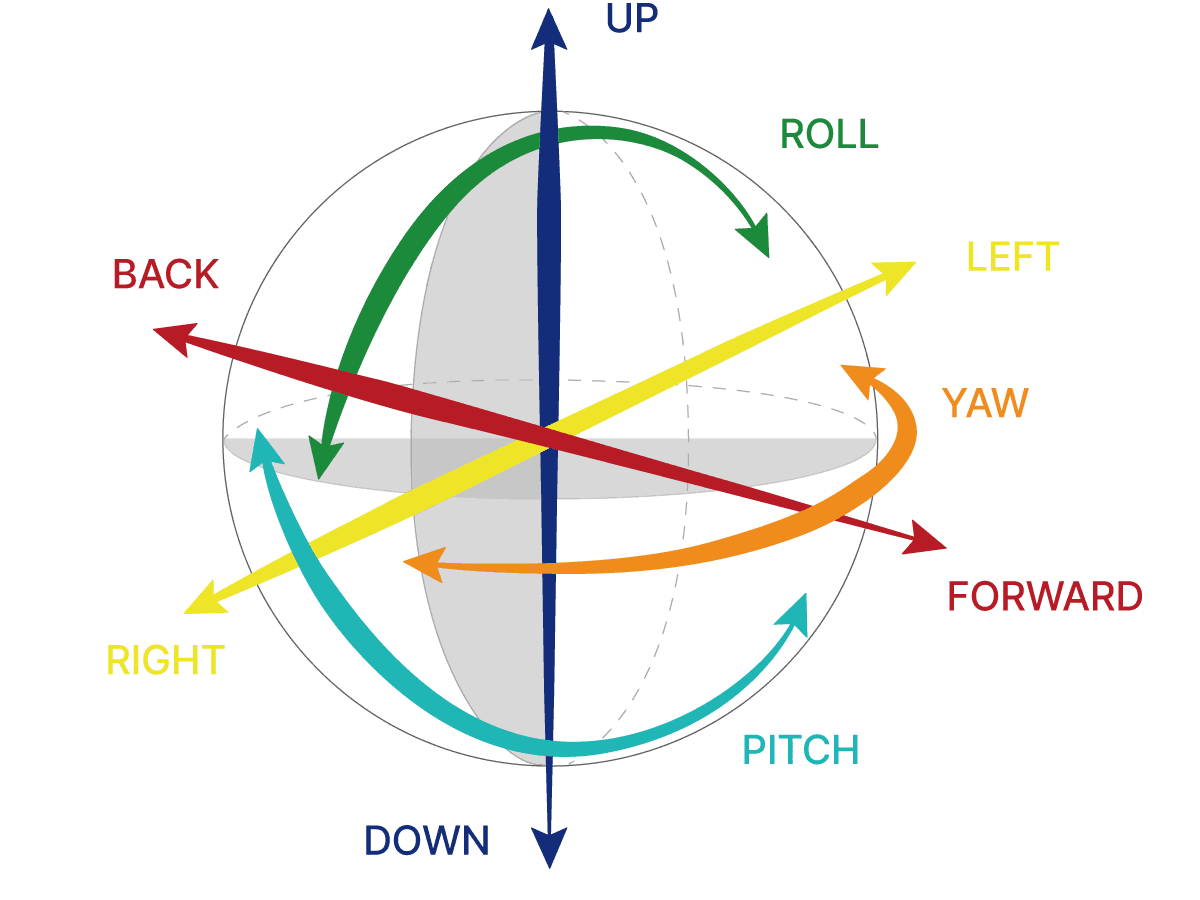
Six axes. Zero compromise.
The DVIA-ULF controls all six degrees of freedom independently. Its algorithm decouples each axis, eliminating cross-coupling. Sub-micron translational and sub-microradian angular stability, maintained simultaneously.
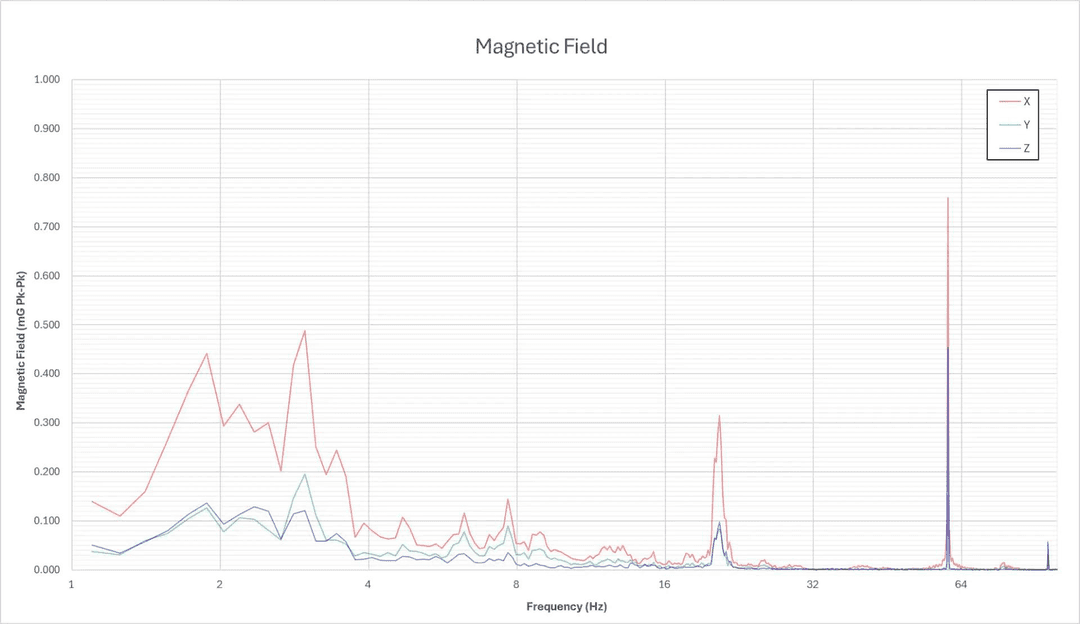
Magnetically silent.
Less than 0.05 μT magnetic field. Electron beams are sensitive to the smallest magnetic interference. The DVIA-ULF is engineered to be magnetically silent — your beam stays true, your images stay sharp.
User Interface. Monitor. Log. Verify data.
The DVIA-ULF UI displays real-time vibration levels, actuator response, and sensor output across all six axes. All data can be logged automatically. Review historical trends, export reports, or verify isolation performance at any time. No hidden processes. No black-box algorithms. Your facility team sees exactly what the system is doing, why it's responding, and how it's performing against specification.
Transmissibility Curve
Auto Spectrum
VC Curves
Sensors & Actuators
Custom Platforms. Tailored to Your Tool.
The DVIA-ULF isolators integrate into two platform configurations, each engineered to your metrology tool's specifications. Both platforms share the same isolation performance. Same 91 mm isolators. Same 6DOF active control. Same feedback and feedforward algorithms. The platform adapts to your tool. The isolation stays constant.
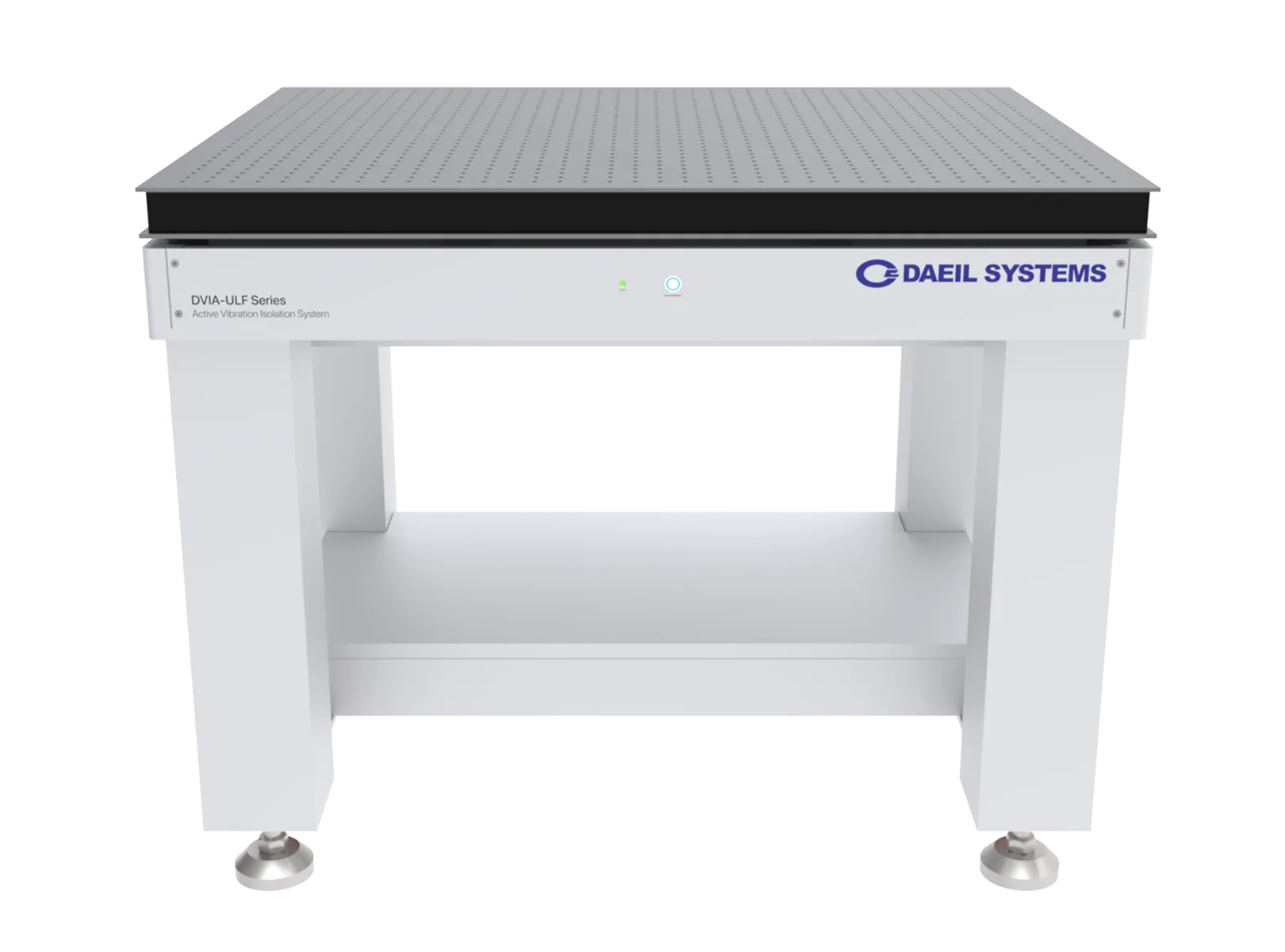
Desk Platform
A tabletop-height workstation with isolators built into the structure. Designed for compact SEMs and nanoscale imaging tools where operator ergonomics and workspace integration matter. Height, depth, and cable routing configured to your facility layout.
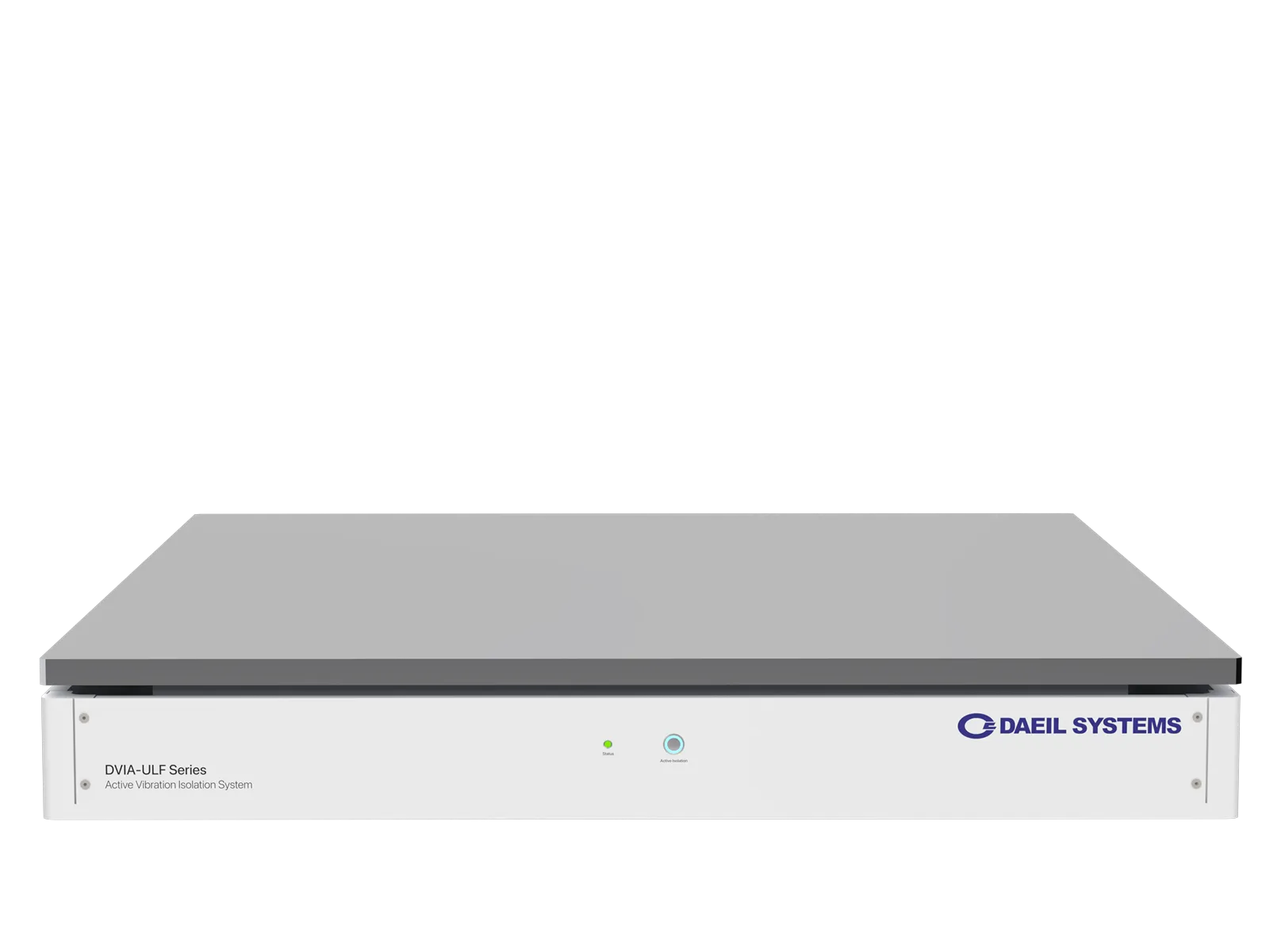
Base Platform
A floor-standing structure that houses the isolators beneath the instrument. Designed for heavier SEMs and dual-beam systems where direct floor mounting is required. Custom dimensions, load paths, and mounting interfaces configured per tool model.
Specifications
Every Spec. Published.
- Dimensions (W×D×H)
- W: ≥ 690 mmD: 200 mmH: 91–101 mm
- Max Load
- 400 kg
- Actuator Force
- V: 40 N / H: 40 N
- Dimensions (W×D×H)
- W: ≥ 690 mmD: 240 mmH: 91–101 mm
- Max Load
- 700 kg
- Actuator Force
- V: 80 N / H: 80 N
- Dimensions (W×D×H)
- W: ≥ 730 mmD: 240 mmH: 91–101 mm
- Max Load
- 1,200 kg
- Actuator Force
- V: 80 N / H: 114 N
- Dimensions (W×D×H)
- W: ≥ 730 mmD: 240–270 mmH: 91–101 mm
- Max Load
- 1,600 kg
- Actuator Force
- V: 80 N / H: 114 N
- Isolator Quantity
- 2 per system
- Control Method
- Feedback + Feedforward Active Control
- Degrees of Freedom
- 6 (X, Y, Z, θx, θy, θz)
- Active Bandwidth
- 0.5 – 200 Hz
- Isolation at 1 Hz
- 70 – 90%
- Isolation at 2 Hz
- 90 – 99%
- Sensors
- Velocity · 100.4 V/m/s ± 10%
- Response Time
- < 0.5 ms
- Magnetic Field
- < 0.05 μT
- Controller
- External
- Certifications
- CE · TÜV
- Power Supply
- 100 – 240 V AC · 50/60 Hz
- Operating Environment
- 5 – 50 °C · 20 – 90% RH
Verified on-site. All performance claims are measured under controlled conditions and confirmed during installation. Maximum load capacity scales with additional isolators. Width and depth customizable per instrument.
Case Studies
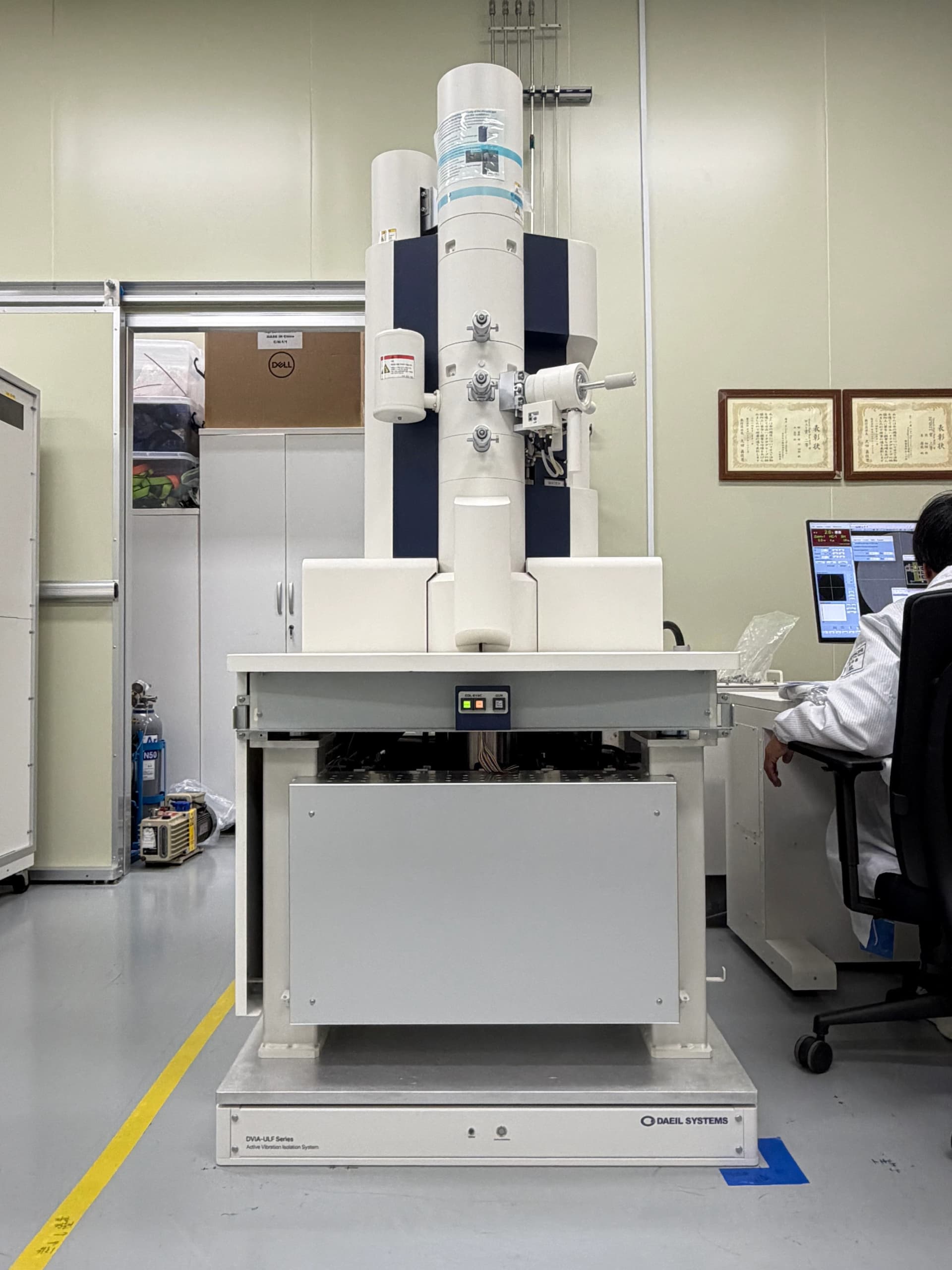
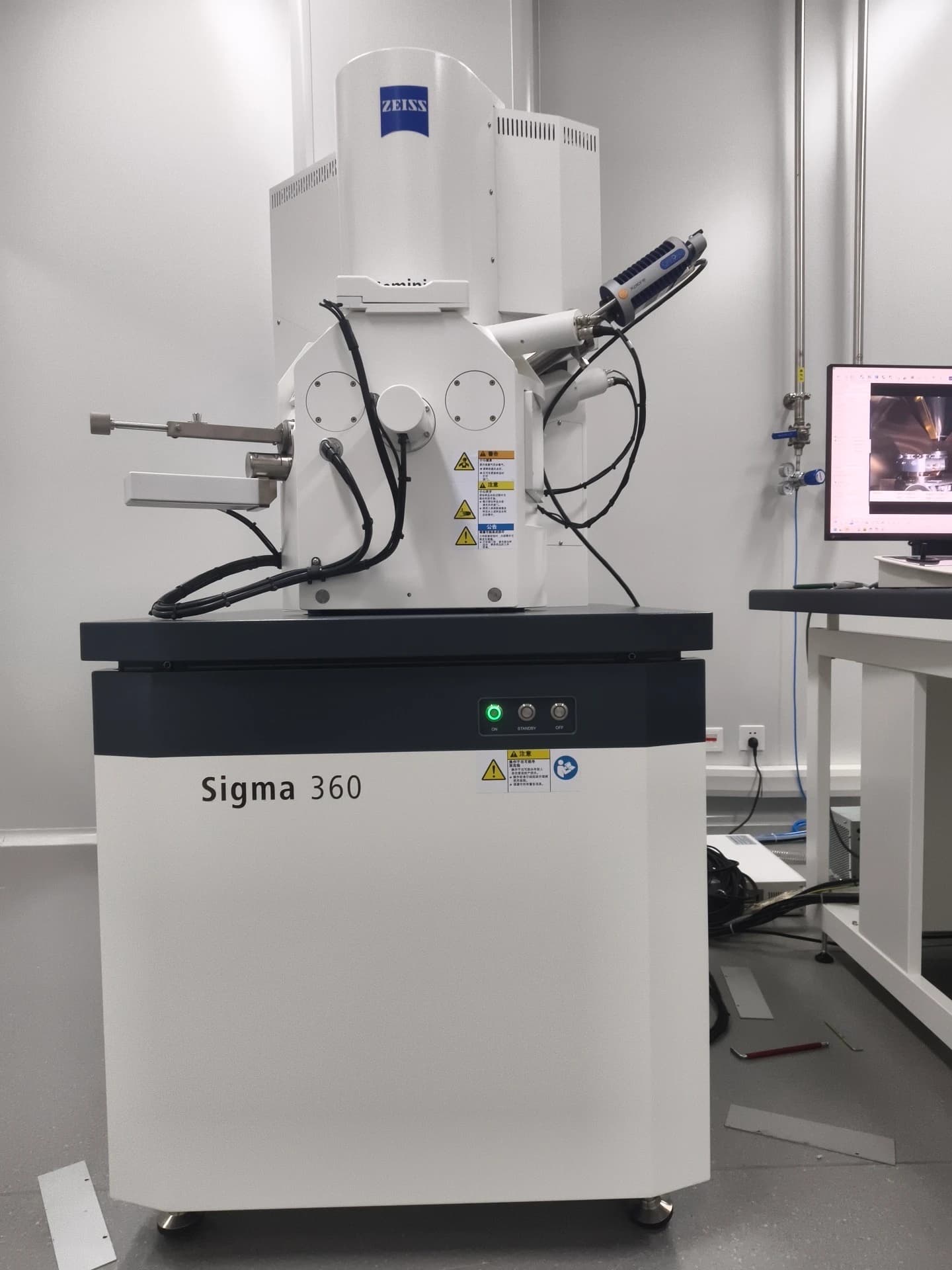
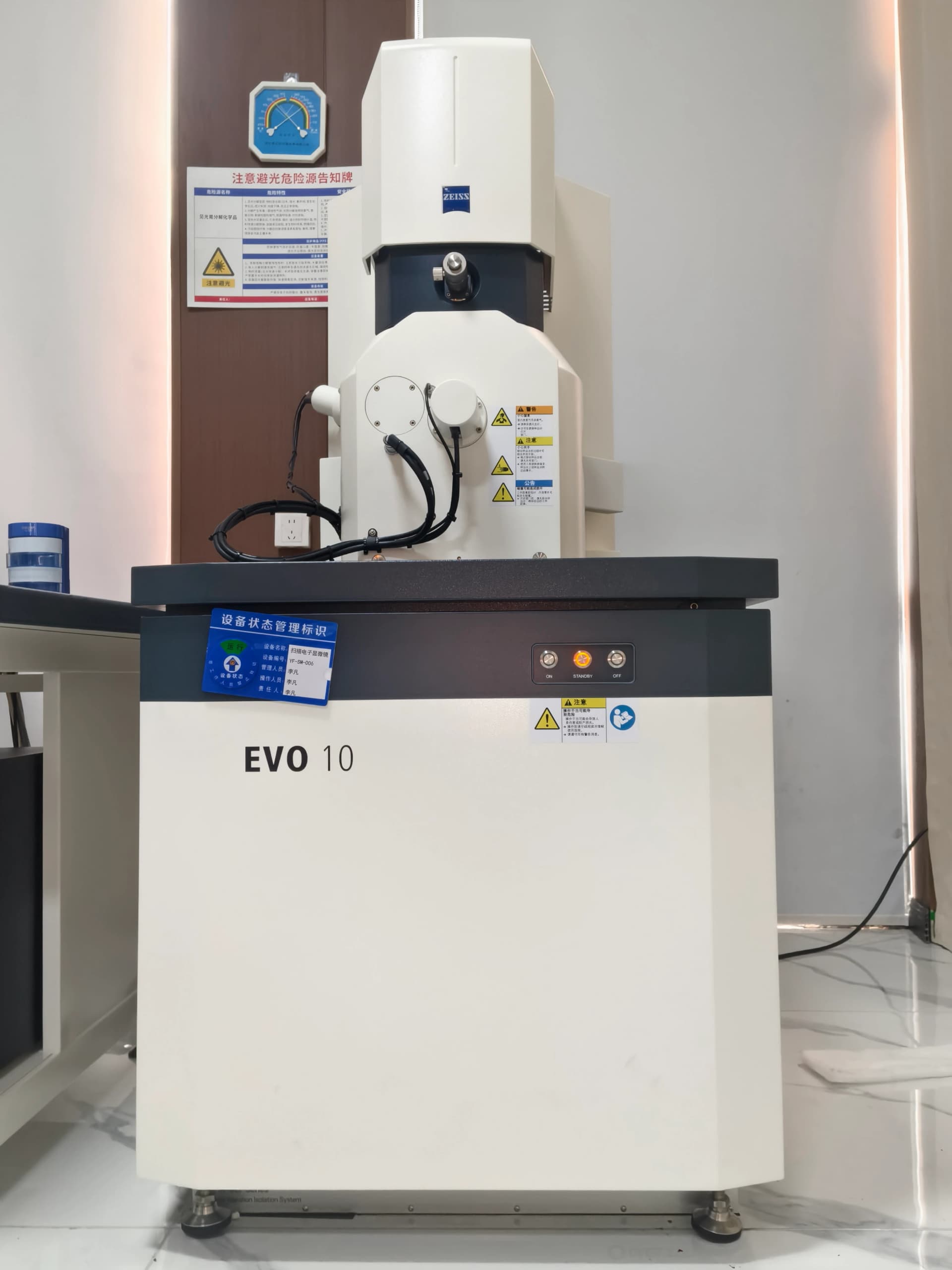
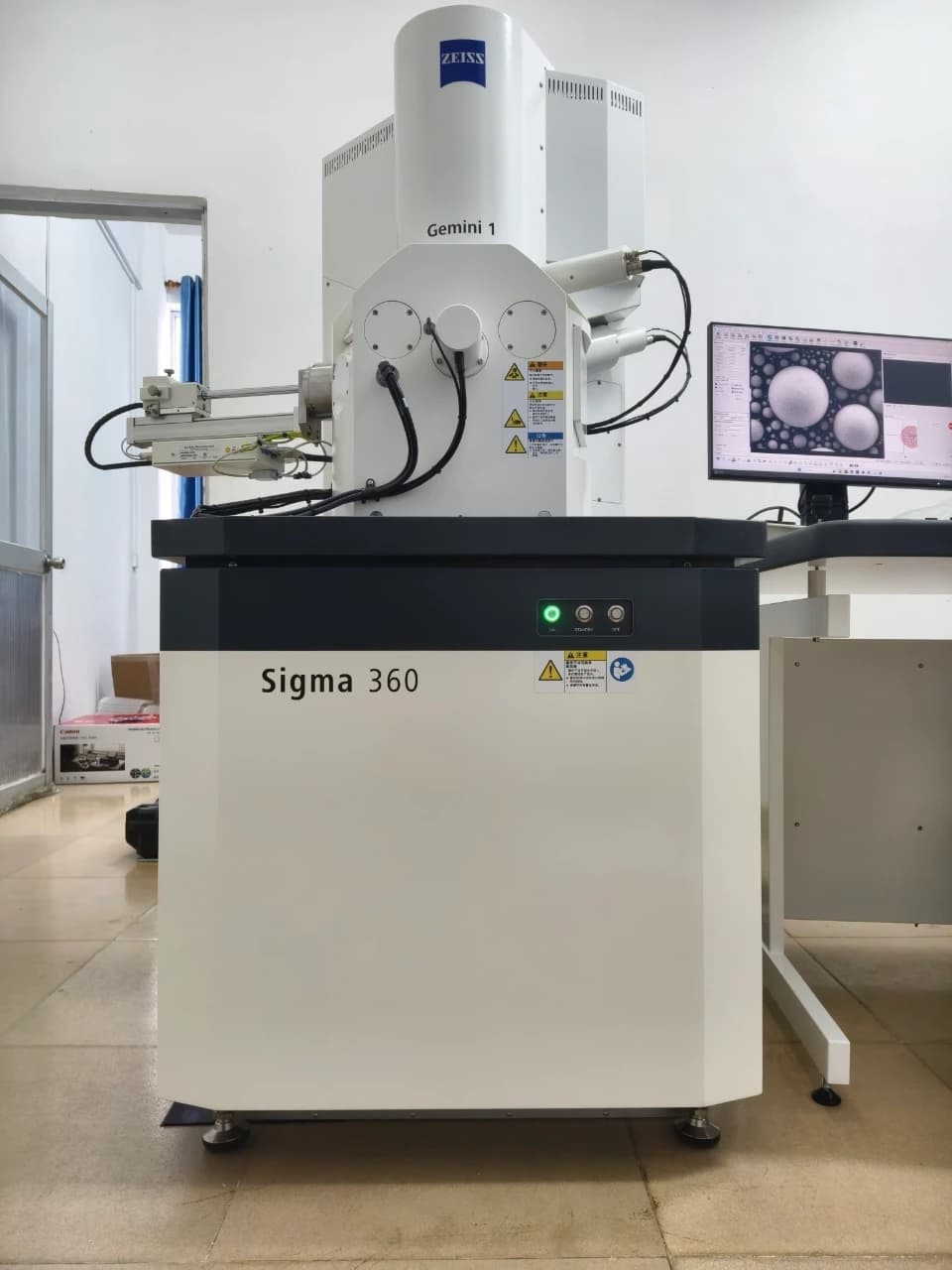
Proven in the field. Installed in the world's most advanced semiconductor, aerospace, and research facilities.
Every system measured and verified on-site.
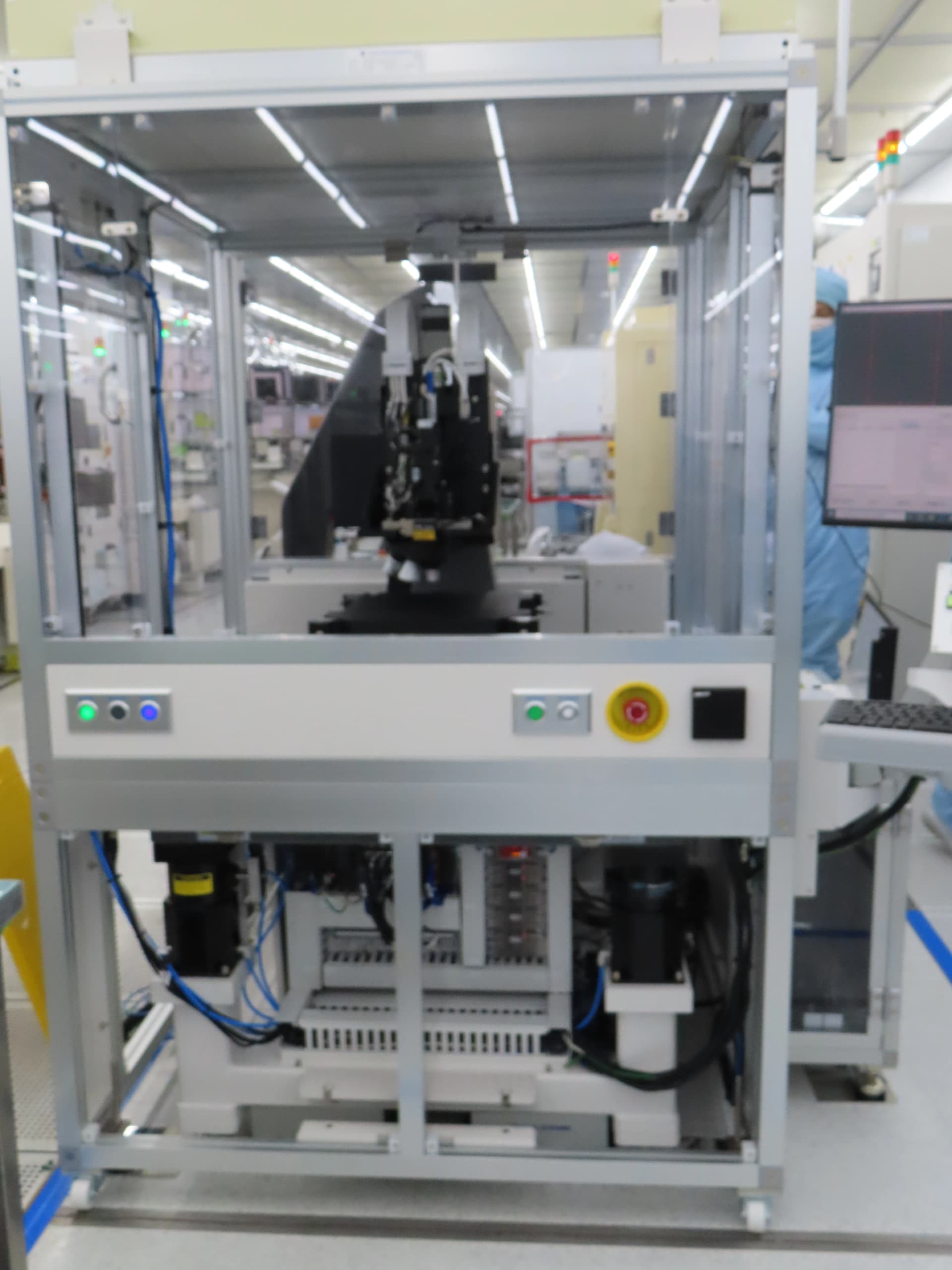

What does your instrument require?
Tell us your microscope model and facility conditions. We'll engineer the configuration.
Technical Notes
- Vibration Isolation for AFM: Z-Noise, Site Limits, and Platform Selection
- How to Choose a Vibration Isolation Platform: A Buyer's Guide
- Electron Microscope Room Requirements: Vibration, EMI, and Acoustics
- How Much Floor Vibration Can an SEM Tolerate?
- Electron Microscopes: How They Work and the Environment They Need
- Active vs. Passive Vibration Isolation: How to Choose